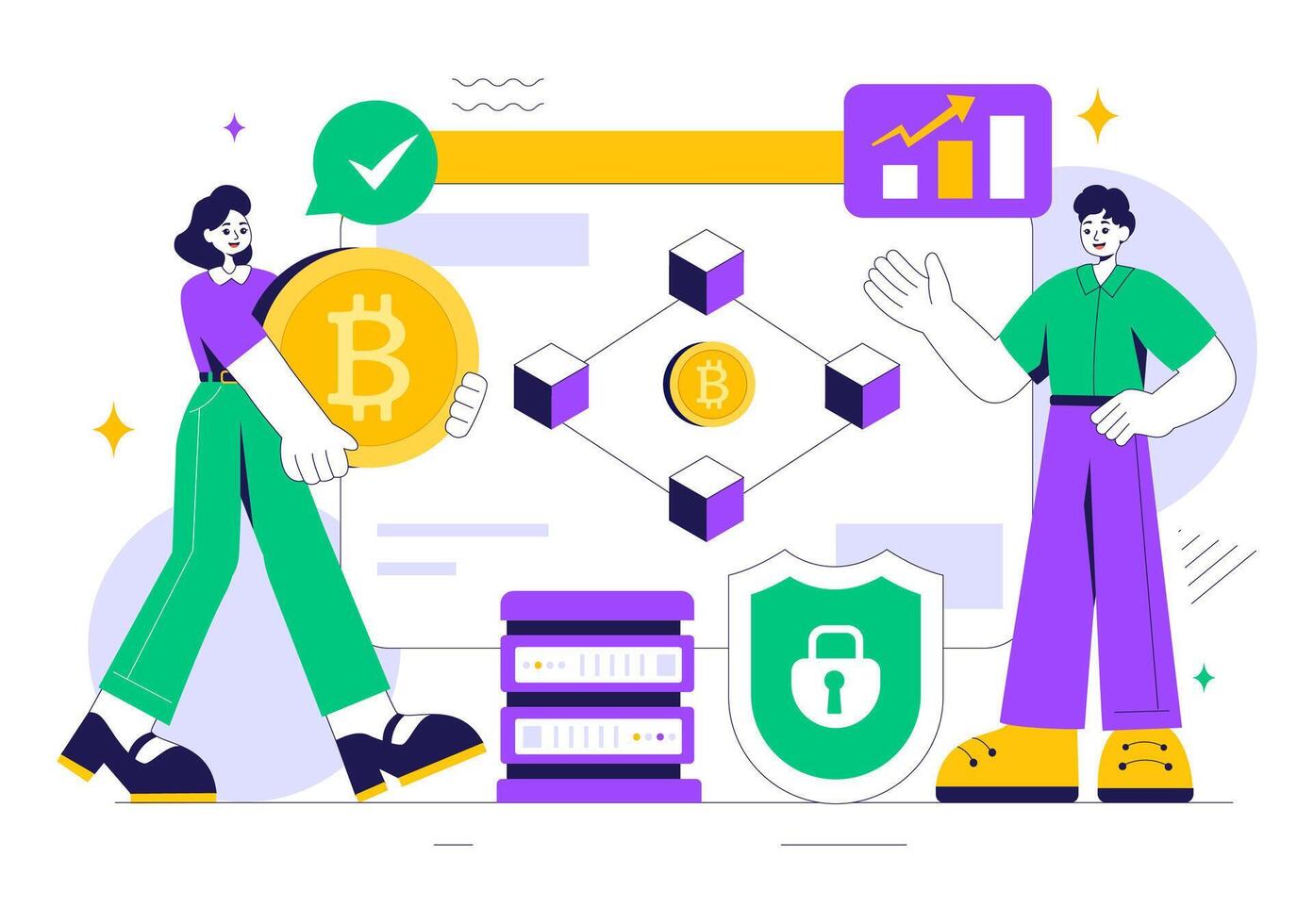
Blockchain technology is a decentralized and distributed digital ledger system designed to record transactions securely and transparently. While it is widely known for powering cryptocurrencies like Bitcoin and Ethereum, its potential extends far beyond digital currencies. By eliminating the need for central authorities, blockchain enables trust, immutability, and transparency across various industries.
At its core, a blockchain consists of blocks that store data, which are linked together using cryptographic hashes. Each transaction is verified by a network of nodes through consensus mechanisms, ensuring data integrity and resistance to tampering. Once recorded, information on the blockchain cannot be easily altered, making it highly reliable for sensitive and critical data.
One of the most impactful applications of blockchain beyond cryptocurrency is in supply chain management. Blockchain provides end-to-end visibility by tracking products from origin to delivery, reducing fraud, improving traceability, and increasing efficiency. This ensures authenticity and accountability across complex global supply chains.
Blockchain is also transforming sectors such as healthcare, where it can securely store and share patient records while maintaining privacy and data ownership. In finance and banking, blockchain enables faster cross-border payments, reduces transaction costs, and improves transparency without relying on traditional intermediaries.
Another major use case is smart contracts, which are self-executing agreements with predefined rules written in code. These contracts automatically enforce terms once conditions are met, reducing the need for manual intervention and minimizing disputes. Smart contracts are widely used in real estate, insurance, and legal processes.
Additionally, blockchain plays a significant role in digital identity management and governance. It allows individuals to control their digital identities, reduces identity theft, and supports secure voting systems. Governments and organizations are exploring blockchain-based solutions for transparent and tamper-proof public services.
In summary, blockchain technology is much more than the foundation of cryptocurrency. Its ability to provide decentralized trust, security, and transparency makes it a powerful tool across multiple industries. As adoption grows, blockchain is set to redefine how data, transactions, and digital trust are managed in the modern world.
Related Blogs
More in Blockchain
No related blogs found in this category yet.